

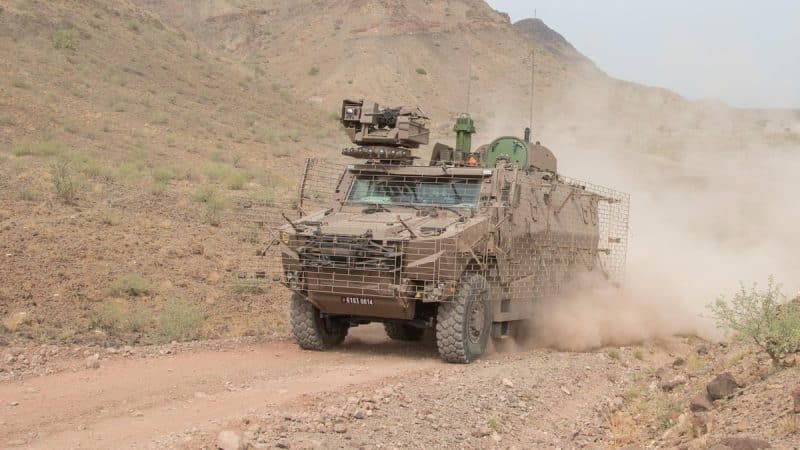
For several days now, a controversy surrounding the CaMo cooperation program with France for the modernization of the intermediate armored segment of the Land Component has been making headlines and on social media in Belgium.
Indeed, a report from the Belgian Court of Auditors has reportedly shown that the real cost of phase 1 of the CaMo program, which involves the acquisition of 382 VBMR Griffon and 60 EBRC Jaguar, very similar to those acquired by the French Army, would not be €1,5 billion, as announced by the Belgian and French authorities, but €14,4 billion.
Faced with such revelations, anger quickly rose within Belgian public opinion. And despite the denials of Defense Minister Théo Franken, this anger shows no sign of abating, as was the case eight years ago regarding another key defense industrial cooperation program for the French defense industry, the Australian SEA 8 program, and its 1000 Shortfin Barracuda submarines.
What are the realities behind the announced figures? Why are the controversy and social spread in Belgium comparable to those in Australia in 2018? Finally, is this controversy being exploited, or even triggered, by, or for, specific interests?
Summary
Powerful turmoil in Belgium around the CaMo program
For several weeks, a report from the Belgian Court of Auditors has been causing a stir in the country regarding the real cost of the CaMo program, the name given to the vast Franco-Belgian cooperation program to equip the Land Component forces (Landcomponent in Dutch), the same equipment and doctrines as those used by the French Army, around the SCORPION program.
Access the full analysis
This article is reserved for MetaDefense subscribers. A subscription gives you access to all analyses, reports, and insights published on the site.
No commitment. From €1,99.

