

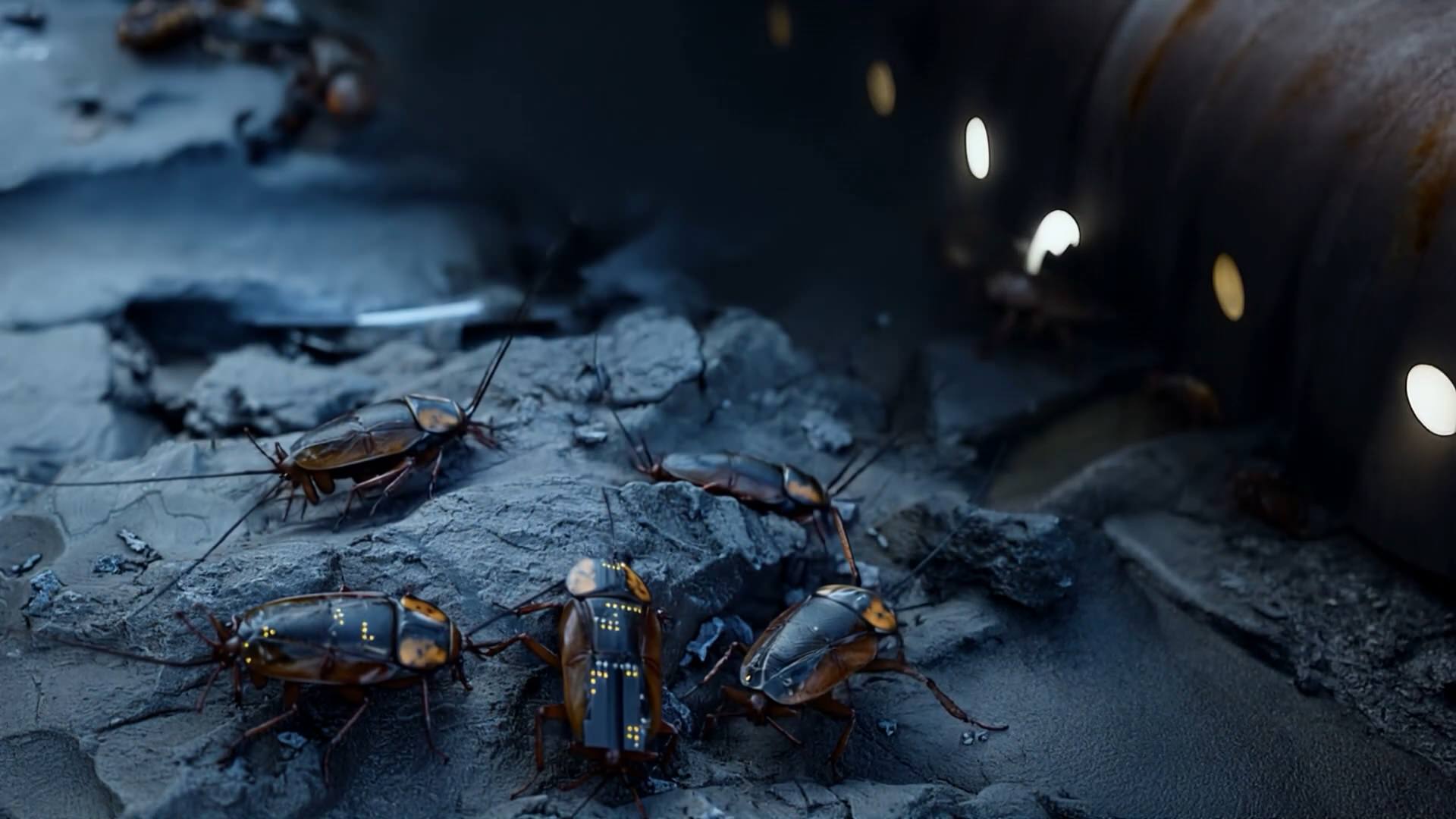
In early 2026, in Germany, SWARM Biotactics announced successful trials and initial deliveries to NATO forces of bioelectronic insect swarms designed for reconnaissance. The company presents programmable platforms that combine living organisms with microactuators and embedded sensors designed to operate in coordinated formations. Swarm control compatible with allied operational environments is highlighted, with coordination and navigation functions adapted to these constraints. Initial units have reportedly joined European users, including components of the Bundeswehr (German Armed Forces), under centralized command procedures.
This announcement brings to the forefront bio-inspired solutions that are reaching the threshold for deployment by allied forces in Europe. It comes at a time when armed forces are seeking discreet sensors, resilient delivery systems, and distributed effects in cluttered and saturated environments where surprise is crucial. The question then becomes: how will these bio-inspired approaches be integrated into concrete strategies, and what operational factors are accelerating their adoption? Timelines, technical requirements, and industrial constraints will guide the choices of the various member states, while operational frameworks will inform the decisions of their partners.
Bio-inspired approaches to navigation and detection are emerging as competitors to GPS.
Before the rise of biomimicry and bionics, armies already relied on living beings to support military operations. Dogs of the Canis Pugnax type accompanied Marcus Aurelius' troops in Germania during Antiquity, illustrating the structuring use of animals in warfare. Today, dogs are still employed to detect explosives or weapons caches and to secure sensitive sites such as military bases. This continuity demonstrates a continued interest in natural abilities that are difficult to replicate, particularly the sense of smell, while simultaneously preparing the cultural and operational groundwork for the integration of more complex bio-inspired solutions.
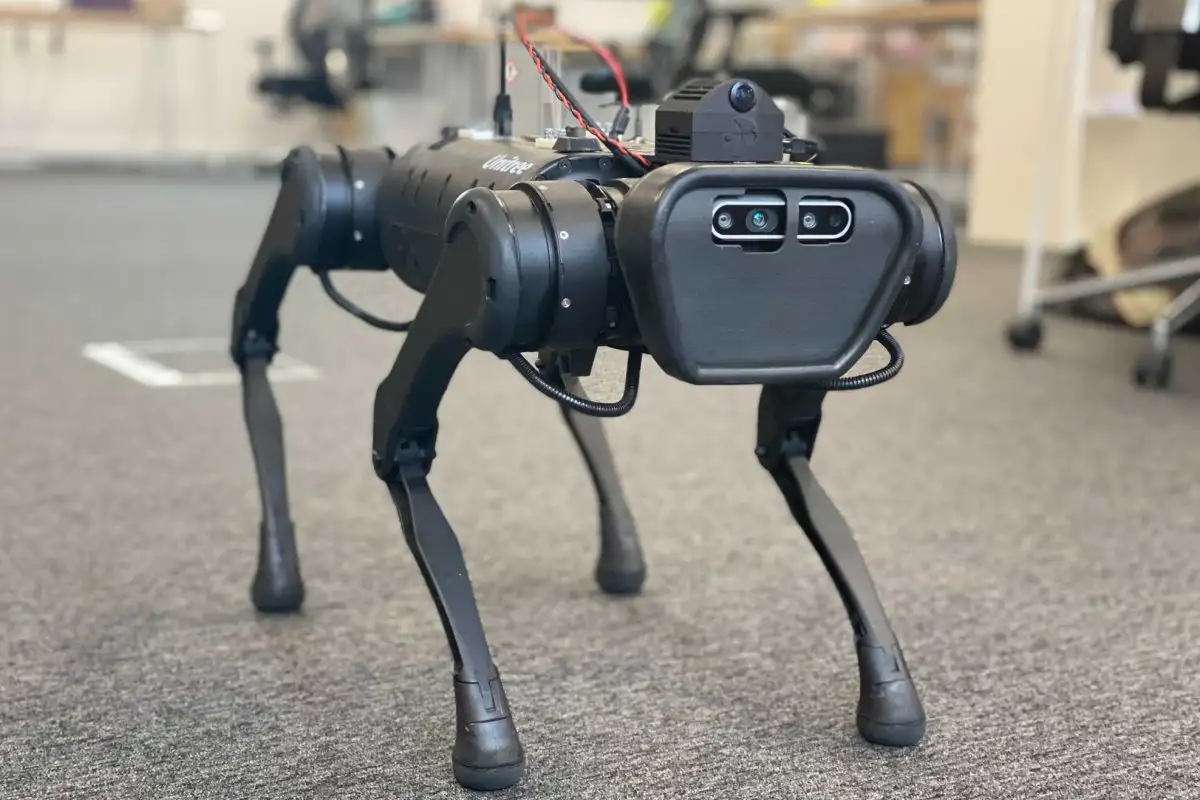
In parallel, biomimetic research has seen a noticeable acceleration. In 2020, Opteran, a spin-off from the University of Sheffield (UK), was founded to translate neurobiological principles from insects into robust embedded functions. The company installed its kit on a robotic dog to provide stabilized 360-degree vision inspired by compound eyes, and a bee brain based on optical flow for natural, collision-free navigation. This approach avoids reliance on a Global Positioning System (GPS) and massive training datasets, thus reducing computational requirements and training costs.
In the realm of public programs, agencies have explored bioelectronic interfaces for the detection and exploitation of challenging environments. The Defense Advanced Research Projects Agency (DARPA) has contracted Northrop Grumman to design a biologically based underwater surveillance system as part of the Project for Underwater Surveillance (PALS). Northrop Grumman is tasked with selecting and then interfacing highly sensitive components of the marine environment with artificial intelligence that interprets, classifies, and transmits the signals. Another component, entrusted to Raytheon in collaboration with Worcester Polytechnic Institute, focuses on marking buried explosives to facilitate their detection, particularly by drones.
Until 2025, most concrete initiatives remained research and development (R&D) projects, demonstrations, and prototypes, with operational deployment still rare. During REPMUS 2025 in Poland, Germany, and Portugal, mixed swarm trials validated coordination, reliable data exchange, formation control, and adaptive mission execution. However, these results stemmed from controlled experiments and technical validations, rather than widespread deployment. This context fueled expectations for a shift toward more tangible force integrations.
NATO will test swarms of bioelectronic insects
After this phase dominated by research and demonstrations, a shift occurred with the introduction of bio-inspired solutions into operational use. According to reports, swarms of bioelectronic insects have been tested and have begun to be supplied to the forces of NATO member countries, including the Bundeswehr. Programmable swarms of cyborg insects have also reportedly undergone field trials and are being deployed at NATO's request. This transition is now being supported by increased industrial capacity, with more than 40 engineers and scientists in Germany and the United States, and €13 million raised for development and expansion.
Access the full analysis
This article is reserved for MetaDefense subscribers. A subscription gives you access to all analyses, reports, and insights published on the site.
No commitment. From €1,99.

