

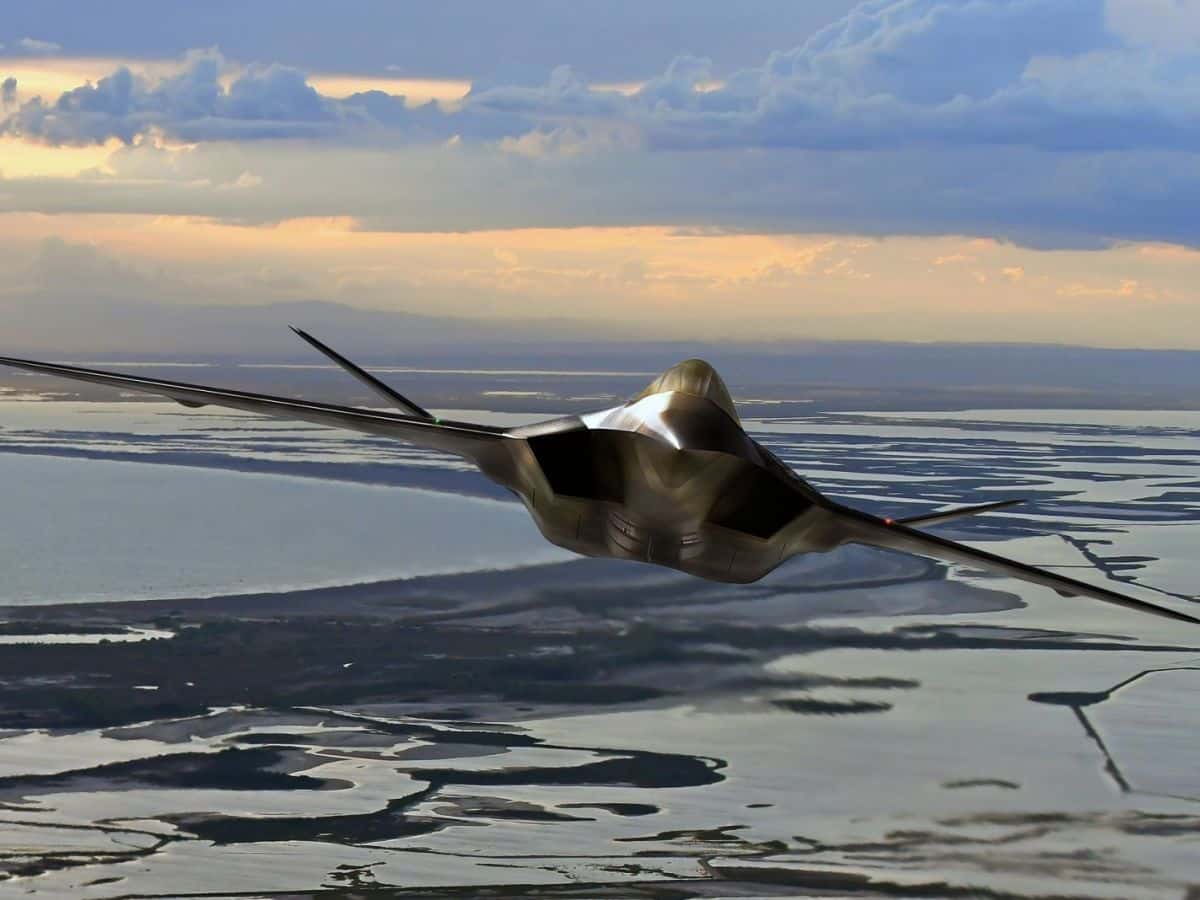
Today, the 6th generation combat aircraft programmes, SCAF and GCAP, each provide the European response to air power challenges for the decades to come.
However, both were conceived and materialized in a geopolitical context very different from that which is emerging, at present, with the apparent rapprochement of Washington and Moscow, under the aegis of Donald Trump, and with the announcement, increasingly probable and close, of a withdrawal of American forces from Europe, including the US Air Force.
This upheaval, as rapid as it is brutal, in the European security context, is redrawing the balance of power, particularly with regard to Russia. European air power will represent, at that time, the deterrent pivot of the Western bloc, while most air forces in Europe have begun their shift to the American F-35, whose availability is uncertain in the event of a Russian-European conflict.
Why is air power a strategic and urgent issue for Europe? What are the threats that could weaken its effectiveness and deterrent effect against Russia? And how could a super-programme E-SCAF/E-FCAS, bringing together and extending SCAF and GCAP, help to remove many objections and concerns, in order to improve European support for it?
Summary
Air power, the foundation of NATO firepower
From 1949, and then on the basis of the lessons of the Korean War, NATO, led by the United States, made air power the linchpin of its military force, relying on combat and support aircraft, as well as munitions, often more efficient than their Soviet and Chinese counterparts, and on more advanced crew training.
Access the full analysis
This article is reserved for MetaDefense subscribers. A subscription gives you access to all analyses, reports, and insights published on the site.
No commitment. From €1,99.

