

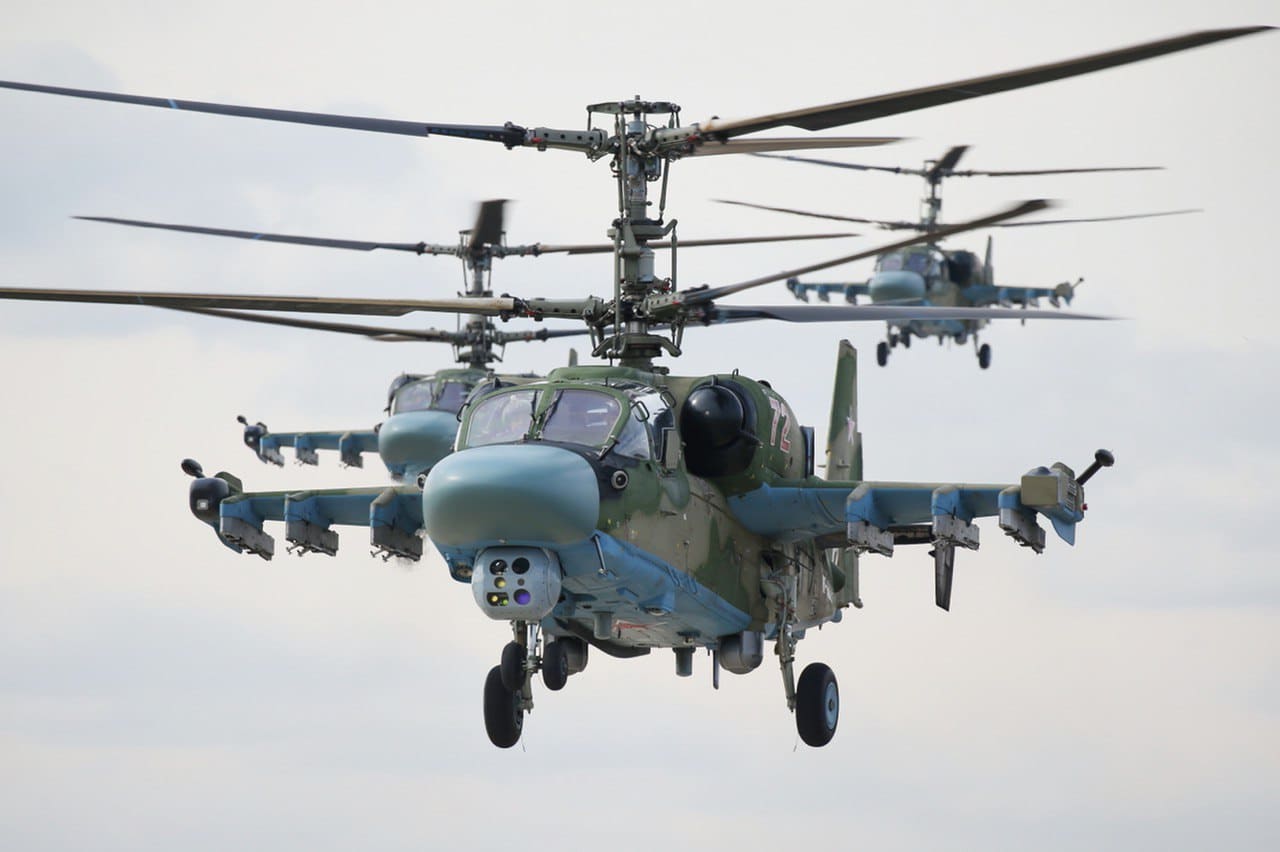
While the Ka-52 Alligator helicopter proved effective in Ukraine, its successes came at a high price, with the Russian armed forces estimated to have lost half of their 2022 fleet. As the Russian industry struggles to rebuild this fleet, a rumor based on leaked documents suggests the imminent delivery of 48 helicopters to the Chinese People's Liberation Army.
It is therefore useful to question the credibility of these claims, from an industrial point of view as well as with regard to Chinese needs, especially since the PLA recently admitted the Z-10 combat helicopter with comparable performance into service.
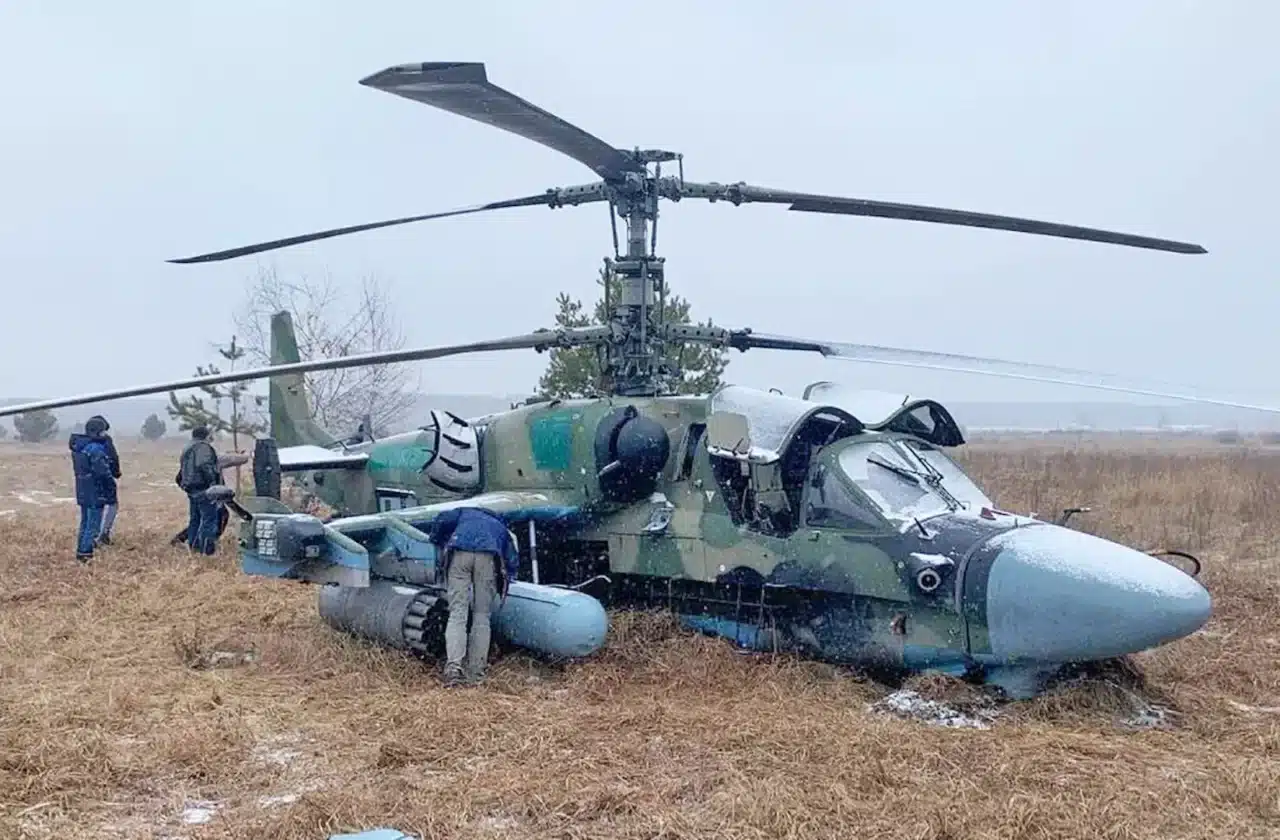
The Russian Ka-52 helicopter suffered heavy losses and then adapted its use in Ukraine.
At the start of the war in Ukraine, the Ka-52 had weaknesses that left it vulnerable to modern threats. Its automatic decoy systems often triggered too late, while its missile defenses were not adapted to the sensors of modern anti-aircraft missiles. This combination increased the risk in high-intensity operations. During the first year, the aircraft accounted for the majority of losses among attack helicopters deployed on the Russian side. These vulnerabilities triggered a rapid phase of technical adaptation and operational readiness.
The fleet did not disappear from the battlefield and demonstrated genuine resilience. Following the ATACMS strikes of October 2023, the Russian Air Force redeployed its helicopters to domestic territory and intensified the use of forward operating bases for refueling and rearming, reducing exposure at occupied airfields. Simultaneously, several public analyses highlighted the helicopter's continued operational influence, indicating that its evolving role continued to affect the pace of combat.
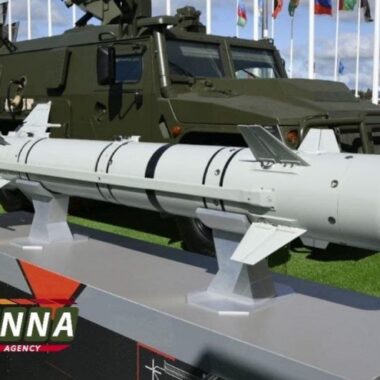
In this context, a major development was officially announced in the summer of 2023 with the introduction of the Ka-52M. This variant notably incorporates the LMUR missile, which has a longer range than the Ataka and Vikhr. The improved range and guidance allow for launches from behind friendly lines, reducing the window of exposure to short-range air defenses that had previously taken a heavy toll on crews.
Beyond the LMUR, Russia has been developing a long-range strike ecosystem since the early 2010s with the Izdeliye 305, also known as Hermes. Designed by KBP, a Rostec subsidiary, for the modernized Mi-28MN and Ka-52M, it aims to replace the Ataka. The Hermes-A boasts a range of 25 kilometers, while its export version, the 305E, presented at ARMY-2021, offers a guaranteed range of 14,5 kilometers. In both cases, the objective is to engage hardened targets while remaining beyond the reach of most common defenses.
In late 2023, Chinese planners turned to the Ukrainian theater to develop doctrine and attack helicopter capabilities. In February 2024, analyses by the RAND Corporation suggested the possible use of Ka-52s in an operation against Taiwan, in support of transatlantic assaults. Previous reports had already suggested an interest in deploying them on Type 075 helicopter carriers. However, a previous report mentioning 36 Ka-52Ks in 2021 did not result in documented execution, hence the importance of verifiability surrounding any transfer.
China is reportedly interested in the Ka-52M, according to 'leaked' documents.
In this operational context, a series of publicly released documents reportedly contain internal communications from Progress Arsenyev, the manufacturer responsible for producing the Ka-52M. These documents mention a sale of up to 48 helicopters to a foreign customer, coded 156. While the specific allocation is not detailed in the documents, the volume and profile of the alleged customer outline a precise contractual framework. The materiality and level of detail of the documents suggest industrial planning rather than a mere statement of intent.
Access the full analysis
This article is reserved for MetaDefense subscribers. A subscription gives you access to all analyses, reports, and insights published on the site.
No commitment. From €1,99.

