

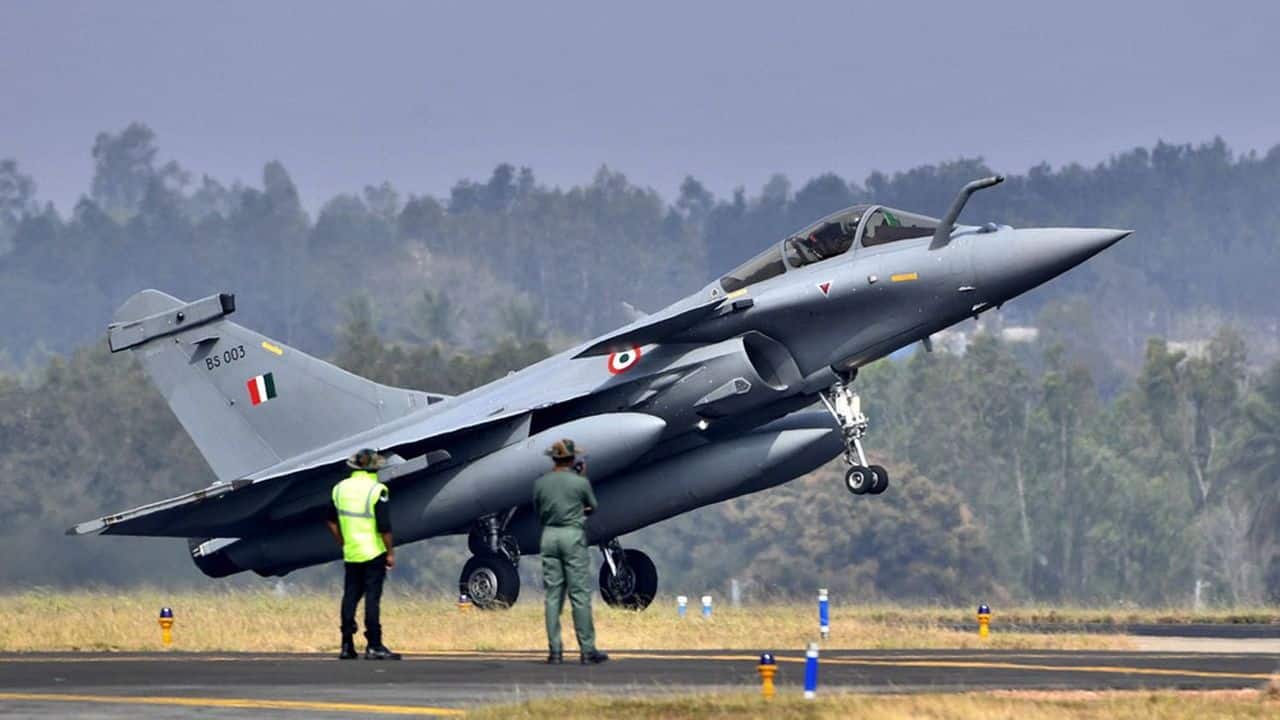
Beyond a simple call for tenders, the MRFA program and its 114 Rafale The F4, 96 of which are built locally, represents a strategic technological and capability challenge for the Indian Air Force. Beyond the consolidated budget and the desired economies of scale, access to the Interface Control Document—the valuable source code allowing access to the very heart of the aircraft's system—has become the critical point that could, depending on its outcome, lock or unlock New Delhi's capability and industrial trajectory for the next two decades.
TWhile Paris defends its red lines and more or less manipulated alternatives enter the debate without addressing their own weaknesses, negotiations have shifted from the commercial arena to that of technical expertise. For it is here, far more than a signing schedule, that the strategic coherence of the future Indian hunting fleet is at stake.
Selected by the Indian Air Force, the Rafale must still convert to Make in India
While the MRFA program has sometimes been perceived in recent months as a linear process with a guaranteed outcome, the approval by the Defense Procurement Council in February 2026, along with an increased budget from 3,25 to 3,60 lakh crore rupees, has revealed a more complex reality. This financial commitment underscores the crucial importance of national software integration and management requirements, which are now central to the overall economics of the program.
The Indian Air Force already has 36 Rafale stemming from the 2016 contract, a point that greatly influenced Indian decisions in this matter, despite the more or less aggressive offers from Russia (Su-35s, MiG-35s, Su-57s, etc.) and Europe (Eurofighter). Typhoon, Saab Gripen E/F) and the United States (F-21, F-15EX). The 114 MRFA aircraft, with deliveries starting in 2030 and a significant proportion of local production, should make it possible to standardize training, reduce support delays and create the desired economies of scale.
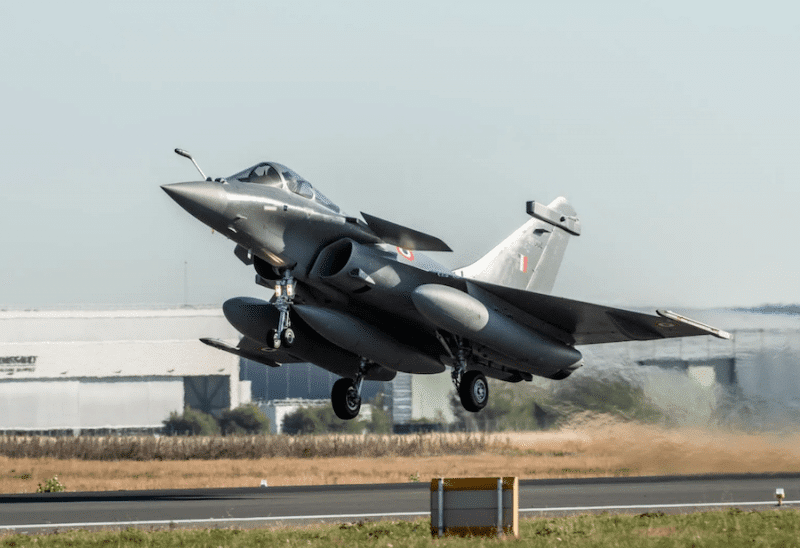
However, this is no longer a turnkey purchase. The new order requires substantial domestic manufacturing and assembly, as well as significant technology transfer under the Make in India program. The stated objective is to increase domestic content to 50 to 60 percent for the next batch, including maintenance and repair capabilities for the M88, and the seamless integration of Indian weaponry.

Under the leadership of Shri Rajesh Kumar Singh, the Minister of Defense and Narendra Modi's designated successor, access to the Interface Control Document (ICD) has become the cornerstone of this "digital sovereignty" and the sticking point in negotiations with Paris. For New Delhi, the goal is to secure the freedom to develop software, update electronic warfare equipment, and integrate national systems, thereby avoiding the additional costs and delays experienced with non-French additions, while simultaneously establishing an interface framework that guarantees long-term autonomy.
New Delhi is making the MRFA program conditional on access to the ICD source code
According to the Indian press, New Delhi's position has been made unequivocally clear: if access to the ICD is denied, the Indian authorities are prepared to halt negotiations. This binary signal has radically shifted the focus of the discussions, pitting access to the software deemed vital against the outright cessation of the process, to the detriment of the pace initially sought by both parties.
Access the full analysis
This article is reserved for MetaDefense subscribers. A subscription gives you access to all analyses, reports, and insights published on the site.
No commitment. From €1,99.

