

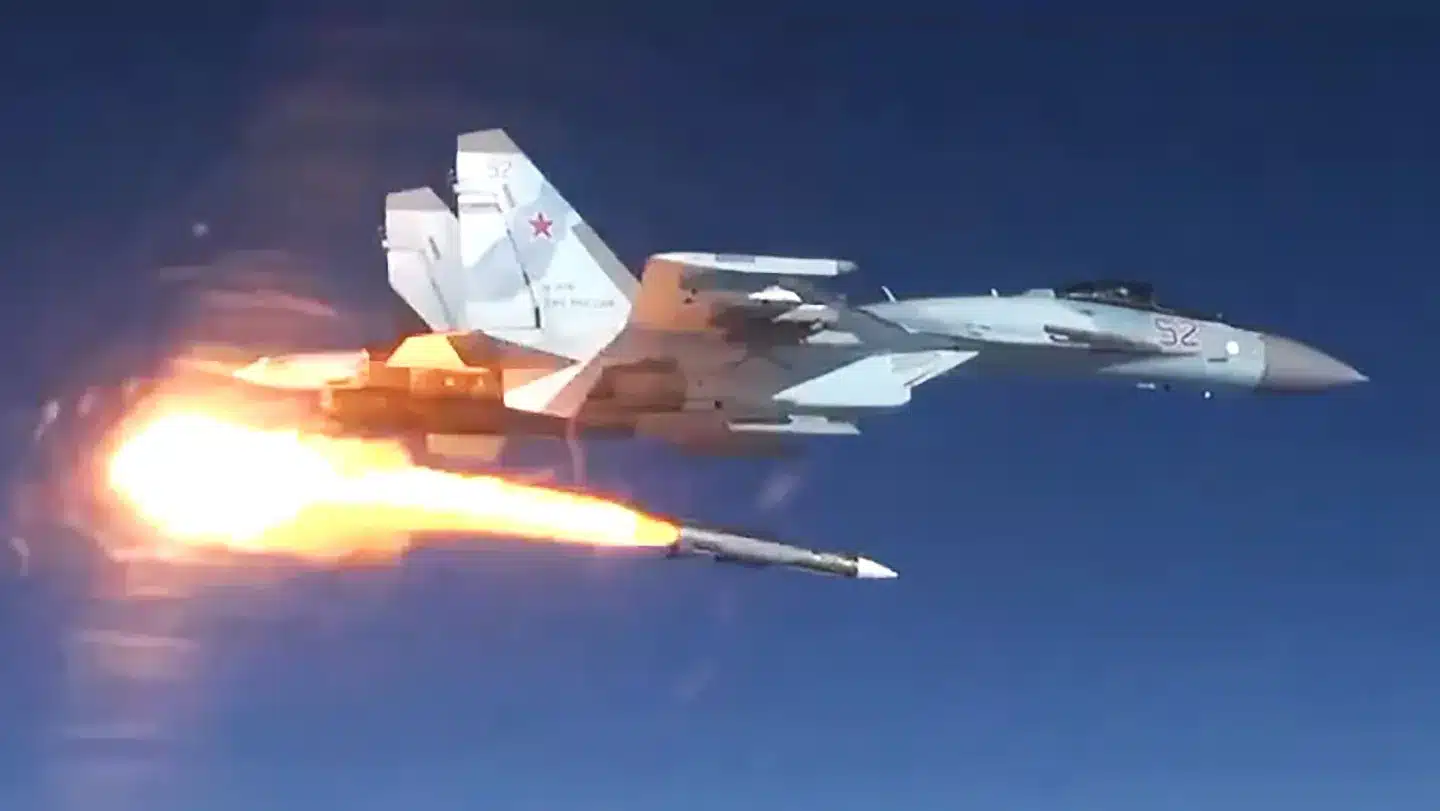
At the heart of the rise of very long-range air-to-air missiles, the R-37M marked a milestone by pushing engagement beyond previous standards. With the European Meteor and the Chinese PL-15, the 150-kilometer barrier was crossed thanks to trajectory updates via the launching aircraft. This development shifted the threat to support aircraft, while silicon carbide-enhanced radars narrowed the window between detection and launch. Major powers then targeted ranges exceeding 250 kilometers, and the R-37M entered service on the MiG-31BM in 2018, confirming its status as a very long-range missile.
In May 2025, the Indian Air Force (IAF) considered acquiring hundreds of R-37M missiles from Russia, following an operational evaluation conducted after Operation Sindoor. This analysis highlighted the need for strikes deeper into enemy airspace to disrupt enemy maneuvers well before fighters enter contested airspace. The interest in a missile focused on supporting targets reflects a shift in pressure towards long-range forces against force multipliers. The question remains how such extended range can be effective before close-quarters combat against forces already experienced in connected engagements.
The R-37M missile is dedicated to very long-range attacks against support aircraft.
During the 2010s, a new generation of long-range air-to-air missiles emerged with the European Meteor and the Chinese PL-15. These weapons exceeded the 150-kilometer threshold by relying on links with the launching aircraft to update the trajectory in flight. They imposed a connected fire control system and extended the engagement envelope well beyond close combat, combining high speed, progressive guidance, and autonomous terminal sequences. The PL-15 entered service in 2016 and equips several Chinese aircraft, from the J-10C to the J-20.
This increased range and connectivity has shifted the threat to support aircraft that were previously positioned further back from the engagement zones. Tankers, early warning aircraft, and jammers have become priority targets, as their neutralization disrupts enemy air operations. The rise of decision support systems for long-range firing and the advancement of radars using silicon carbide semiconductors have further reduced the window between detection and firing. Protecting and dispersing these force multipliers has become critical.
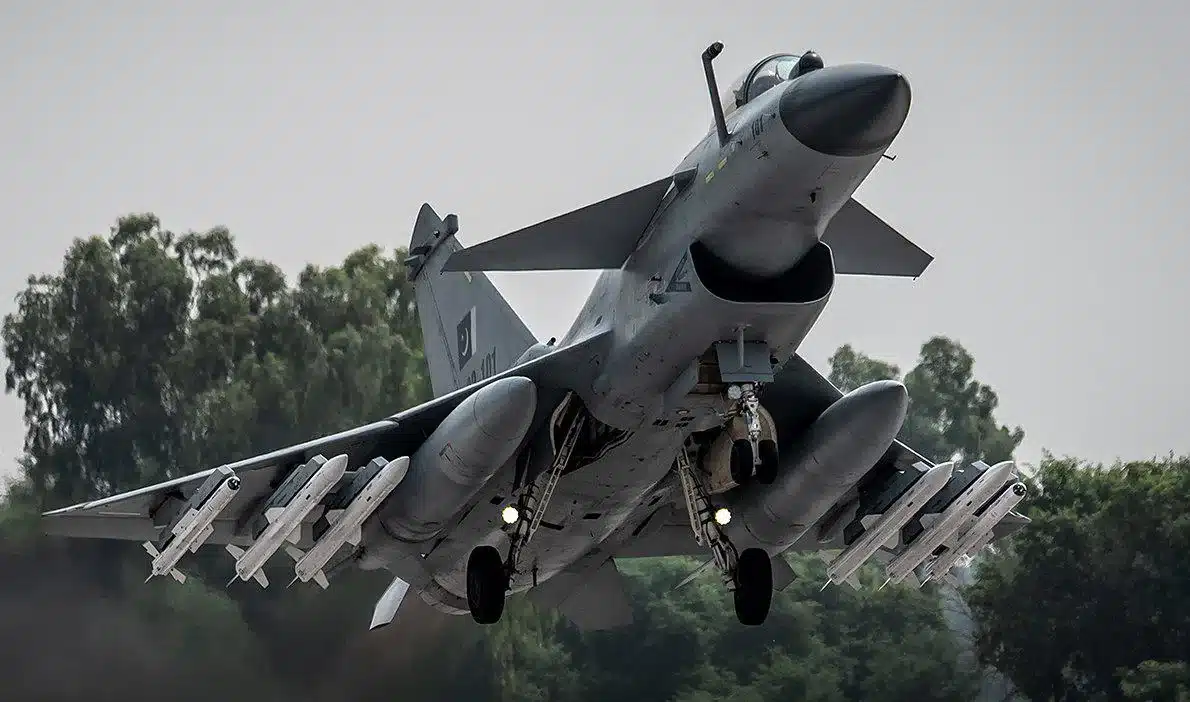
In the mid-2010s, major air powers launched programs targeting ranges exceeding 250 kilometers. Within this movement, the Russian R-37M was the first to enter operational service on interceptors, marking a milestone for the ultra-long-range category. Its integration began on the MiG-31BM, with entry into service announced in 2018 and subsequently confirmed as the benchmark for this class in 2019. This advancement demonstrated the feasibility of air-to-air strikes at ranges previously reserved for strategic surface-to-air weapons.
The R-37M's origins lie in the 80s with the development of the R-37, derived from the heavy R-33. The goal was to provide long-range interception capabilities for aircraft lacking the MiG-31's dedicated radar. Development was significantly slowed from 1988 onward, and the missile was not accepted into service at that time. Its revival coincided with the modernization of the MiG-31BM, and then, in late 2020, the Su-35S and R-37M combination was declared operational, expanding the range of delivery platforms within the Russian armed forces.
The profile of the modernized R-37M sheds light on its use. Weighing approximately 600 kilograms and measuring 4,2 meters in length, with a speed exceeding Mach 5 and guidance combining inertial navigation and active radar homing, its range approaches 400 kilometers. Its maneuverability remains limited, which directs its mission toward slow-moving and less maneuverable targets such as early warning aircraft and tankers. It is a denial-of-area tool against force multipliers, rather than a missile designed to intercept maneuvering fighters.
India aims for an immediate deterrent effect through a ready-to-use purchase
In this context of the race for very long-range missiles, a new development emerged in May 2025. The Indian Air Force is considering acquiring hundreds of R-37M missiles from Russia, following the post-Operation Sindoor evaluation. The analysis reportedly highlighted a need to strike deeper into enemy airspace in order to influence enemy maneuvers well before fighters enter contested air superiority zones.
Access the full analysis
This article is reserved for MetaDefense subscribers. A subscription gives you access to all analyses, reports, and insights published on the site.
No commitment. From €1,99.

